Theatre

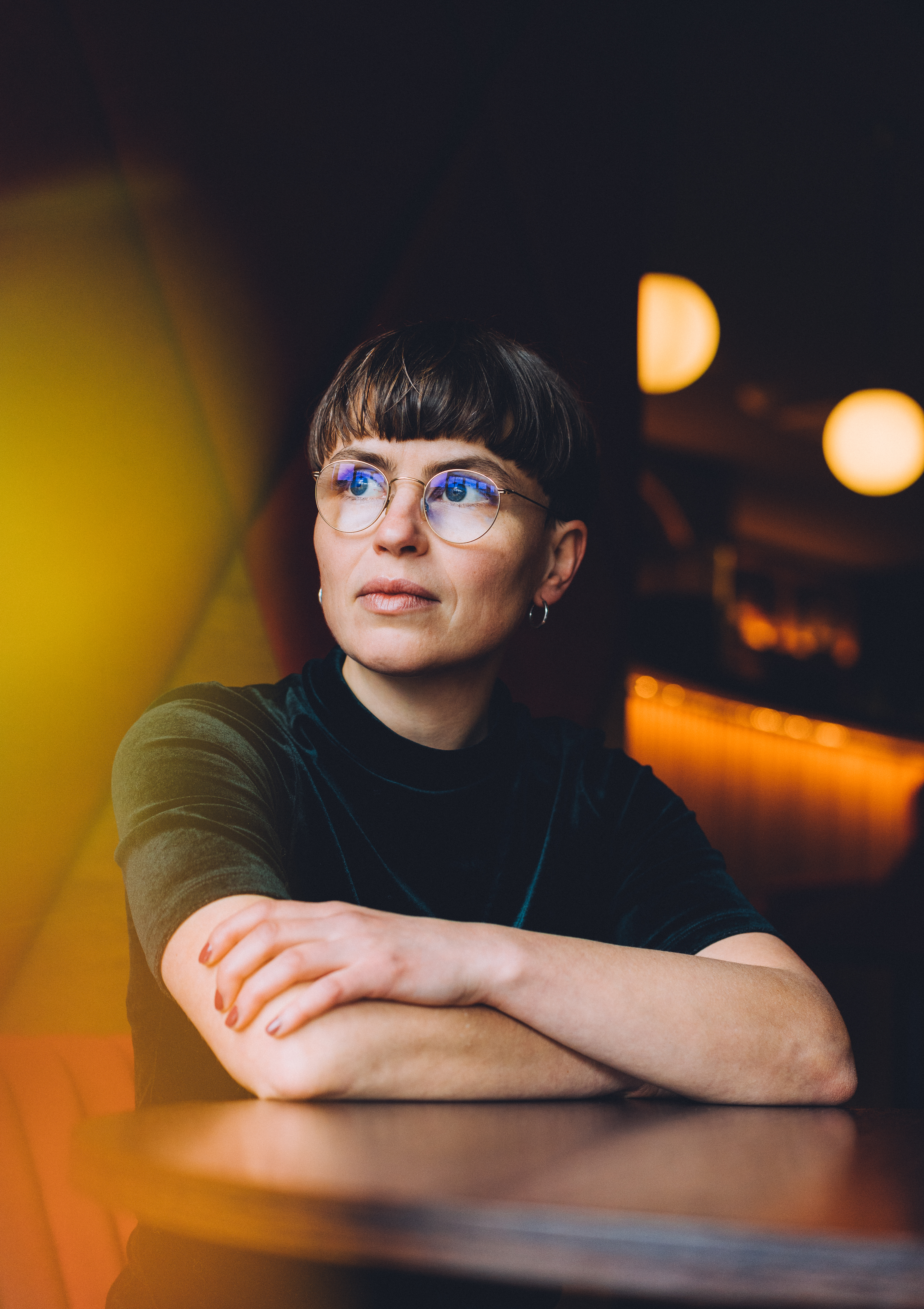
Caren Jeß

Ave Joost

Three men shoot JUST FOR FUN in an old dairy ruin. With schnapps and a self-made shooting figure. Marcus is Bastl's father and likes to have everything under control. Even Bastl, because otherwise he makes the wrong decisions. And Joost, because he's a really messed-up existence on speed. So the shooting fits quite well. Because it needs clear rules. It's just a shame that Malin also likes to roam the ruins. She's about 14 and has a thing for lost places, which give her the weirdest ideas for fantasy stories. Joost is supposed to chase her away. In vain. Malin meets him completely fearlessly. And even more. With her exaggerated seriousness, she uncovers an unexpected gentleness in Joost. Caren Jeß allows a strange friendship to grow on the fertile ground of heated male conversations, a friendship that is as fragile as it is fleeting. When Markus and Bastl find out that Joost didn't chase Malin away, they become suspicious. It's hard to trust someone like Joost that his interest is purely platonic. It doesn't seem fair - for the moment - because the happiness of this bizarre encounter weaves itself into the undergrowth of unwashed hair like a ray of sunshine. Faith, love, hope. There are brief flashes of the kind of person Joost could have become if his life hadn't gone completely wrong. "The right, the left, the centre strand. Your hair in my hands. The right, the left, the centre strand. Faith, love, hope, these three, feel how they slide into each other, faith, love, hope, these three, where have they been for so long? Where have you been, what have you been doing all this time? Faith, love, hope, say, where have you been?"
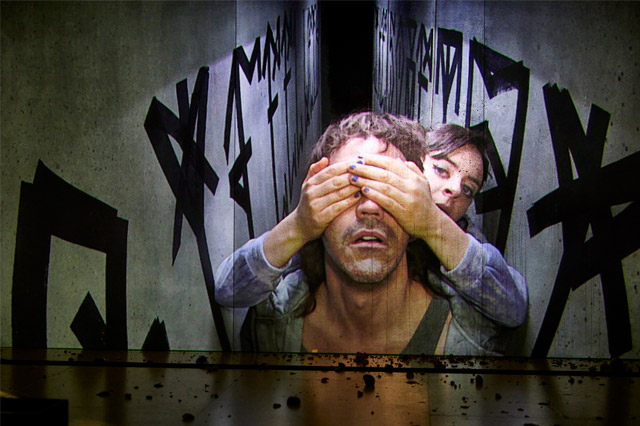
Auftragsarbeit für das Staatstheater Nürnberg

1 F, 3 M

World Premiere: 14.03.2024 · Staatstheater Nürnberg · Directed by: Branko Janack

Translated into Französisch

Critics

Theater heute

Franz Wille, Mai 2024

„Vermutlich - vermutlich! - ist Caren Jeß die E.T.A. Hoffmann des 21. Jahrhunderts: schauerromantische Gesellschaftsanalytikerin in den fantastischen Hallräumen und Erzählschlaufen der Gegenwart. Dabei mit viel originellem Humor: Dem Nürnberger Staatstheater, das ein Auftragswerk zum Thema Klassismus wollte, hat sie "Ave Joost" geschenkt. Nimm das!“

Süddeutsche Zeitung

Christine Drössel, 16.03.2024

„Die 39-Jährige, geboren in Eckernförde an der Ostsee, ist eine versierte Sprachkünstlerin, ja,wirklich eine Sprachkomponistin, hochmusikalisch, formbewusst und dabei sehr klug, komisch und originell.“

Nürnberger Nachrichten

Bernd Noack, 15.03.2024

„Und doch kommt es zwischen Malin und Joost zu einer unendlich zarten, fast unausgesprochenen Liebesbeziehung, deren Unmöglichkeit freilich über der Szene schwebt wie ein Felsbrocken, der gleich runterknallen und alle Hoffnung unter sich begraben wird.“

Theater heute

Franz Wille, Mai 2024

„Vermutlich - vermutlich! - ist Caren Jeß die E.T.A. Hoffmann des 21. Jahrhunderts: schauerromantische Gesellschaftsanalytikerin in den fantastischen Hallräumen und Erzählschlaufen der Gegenwart. Dabei mit viel originellem Humor: Dem Nürnberger Staatstheater, das ein Auftragswerk zum Thema Klassismus wollte, hat sie "Ave Joost" geschenkt. Nimm das!“

Süddeutsche Zeitung

Christine Drössel, 16.03.2024

„Die 39-Jährige, geboren in Eckernförde an der Ostsee, ist eine versierte Sprachkünstlerin, ja,wirklich eine Sprachkomponistin, hochmusikalisch, formbewusst und dabei sehr klug, komisch und originell.“

Nürnberger Nachrichten

Bernd Noack, 15.03.2024

„Und doch kommt es zwischen Malin und Joost zu einer unendlich zarten, fast unausgesprochenen Liebesbeziehung, deren Unmöglichkeit freilich über der Szene schwebt wie ein Felsbrocken, der gleich runterknallen und alle Hoffnung unter sich begraben wird.“

Production history

All Premieres
14
März 2024
Caren Jeß

Ave Joost

Theatre

UA

Directed by Branko Janack

More plays

All plays

Theatre

Caren Jeß

Die Walküren

4 F, 4 M, Walküren

Caren Erdmuth Jeß, named Young Playwright of the Year in 2020 by the magazine Theater heute, has written a new play for the drama section of Ausweitung des Ringgebiets. Jeß, who always works rhythmically and tonally with her vivid language, takes her starting point in Die Walküren from Wagner's constellations of characters and motifs, but exaggerates the material, driving it into the grotesque and shifting the focus to the female characters. She develops her play from the choral force, anger and longing of the Valkyries: she lets powerful songs ring out at dizzying heights, while below, the other characters, all following base motives, go about their ludicrous activities. These are the excesses of a world that seems far removed from our own, yet always bears an uncanny resemblance to it. Like Jeß herself, who (as her alter ego ‘Erdmuth’) directly confronts the megalomania of Wagner's world-building in some of the most exciting passages of the play – between text, discursive authorial commentary and informative chatty stage directions – the Valkyries are on a collision course with the ‘national poet’. In his very comical silk slipper, for example, they encounter ingenious self-marketing strategies and, as timeless “old hands”, counter the patriarchal claims of Wotan and Wagner. ‘We keep the runes in embers and strike and bend them so that you will not recognise your heritage,’ they threaten. In Jeß's version of the material, the ‘heritage’ is clearly recognisable. But so are the legitimate questions that need to be asked about it. (Announcement by the Staatstheater Braunschweig)

Digitales Textbuch